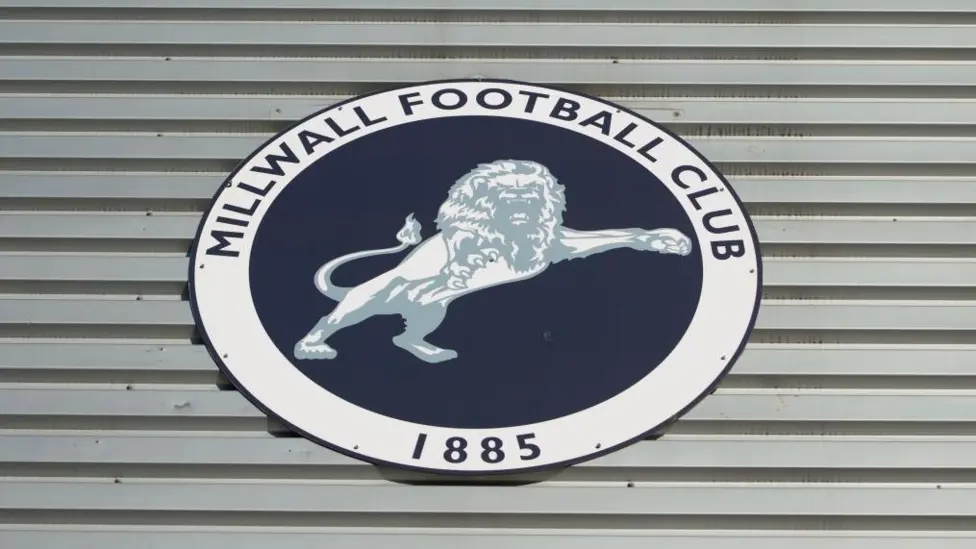
Millwall are considering legal action after their club crest was used on an image depicting a Ku Klux Klan (KKK) figure in a children’s educational booklet, sparking outrage and prompting an official apology from Westminster City Council.
The Championship club said the use of their badge on the illustration after the material was distributed to primary schools as part of an anti-racism initiative.
The booklet, which focused on the experiences of former Chelsea player Paul Canoville—the club’s first Black footballer—aimed to highlight the realities of racism in football. However, one cartoon showed a hooded figure associated with the white supremacist group wearing Millwall’s crest, a decision widely criticised as inappropriate and insensitive.
The image had a speech bubble next to the ex-player saying, “Racism never went away. I was badly abused in a reserve match at Millwall, but then I could show the racists my 1984 2nd Division Champions medal!”
Westminster City Council apologised to the club for the “improper use of their logo and for any offence caused”.
Westminster City Council has since withdrawn the booklet from circulation and issued a formal apology, acknowledging that the imagery was an “insensitive way” to illustrate historical racism. The authority also confirmed that remaining copies would be destroyed and that internal processes are being reviewed.
Millwall, while accepting the apology, have not ruled out pursuing legal avenues. In a statement, the club described the incident as a “serious misuse of a registered club badge,” adding that they are currently assessing their legal position.
While the booklet sought to educate young people about racism in football, the inclusion of Millwall’s badge in such a context has shifted attention toward issues of representation and responsibility in educational resources.
As the situation develops, Millwall’s potential legal response could set a precedent for how clubs protect their branding and reputation when used in public or educational campaigns. For now, the incident remains a stark reminder of the sensitivities involved in addressing football’s troubled history with racism.