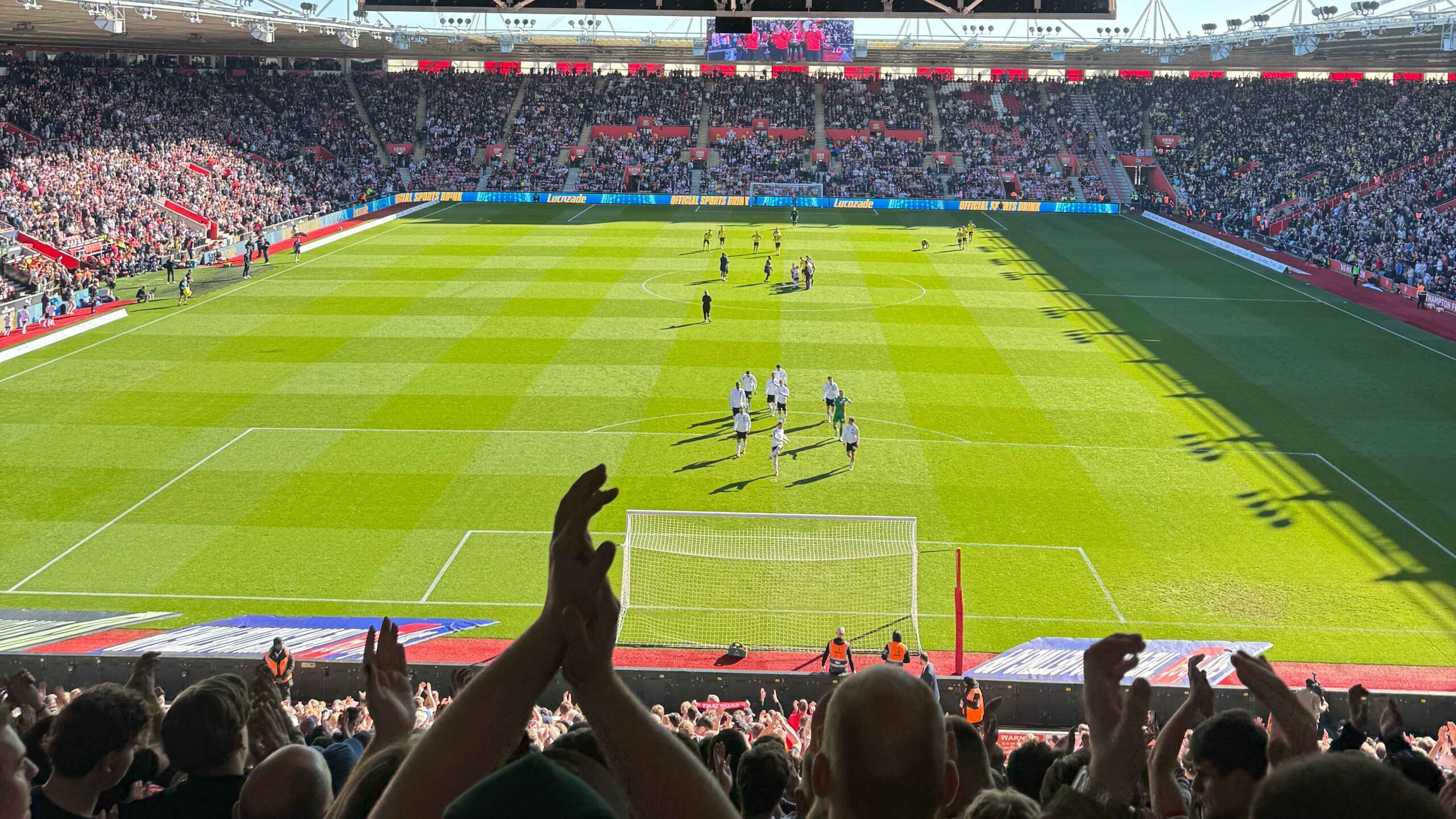
There are many reasons a football fan falls in love with a particular club and why that love endures.
It could be because the club represents the city they’ve grown up in, especially in a one-club city. Many fans also inherit the affiliation with the club their parents and grandparents have been fans of.
However, one reason that often goes under the radar is a particular attachment to the stadium in which the club plays.
Going to the same stadium every season for nine months can easily rub off on someone, to the point that they don’t even think twice about their matchday routine.
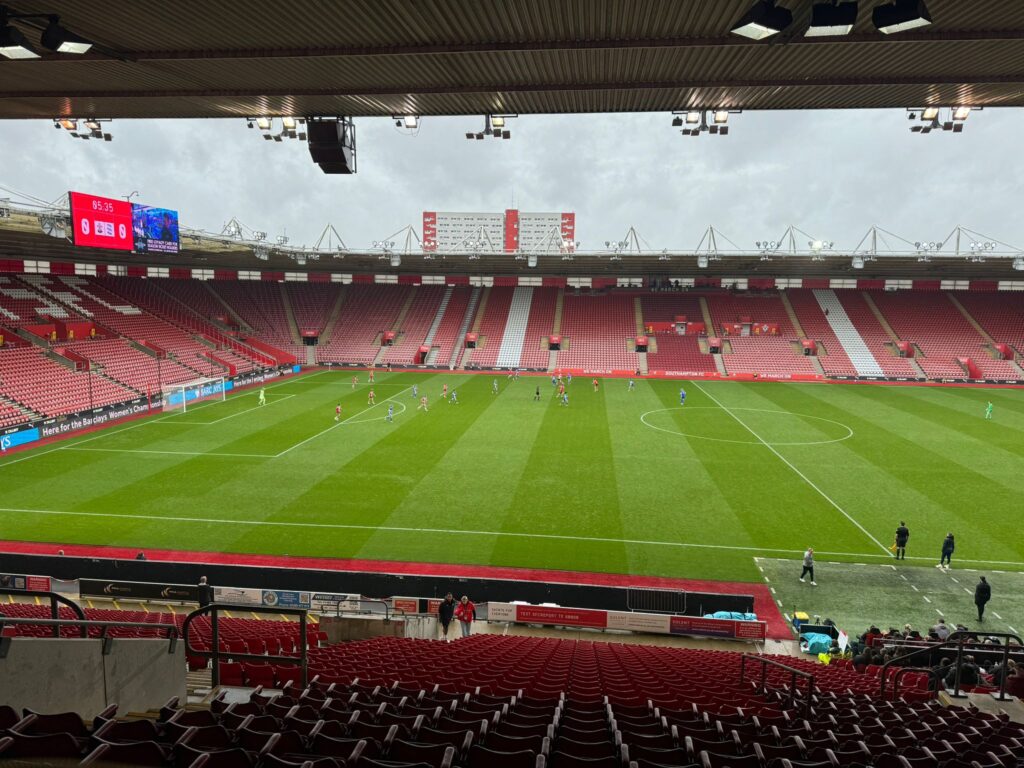
As a result, it becomes a natural part of their life, and missing a game no longer feels normal.
For a certain age group, who have seen the home of their beloved club change from the one they’ve grown to love, they no longer have the same feeling when arriving for a game.
In recent years, fans of clubs such as Manchester City, West Ham, Tottenham Hotspur, Everton have had to face this very dilemma.
Specifically, in the case of Spurs and Manchester City, even a substantial upgrade in the size of the stadium, and even if it brings an increase to the size of the club.
The old days at White Hart Lane and Maine Road hold memories that cannot be replicated. This season, Southampton supporters are celebrating 25 years since they moved from The Dell to St Mary’s Stadium.
The anniversary means different things for different generations, for those who saw the memorable last day relegation battles, with an odd giant killing thrown in there, at their old ground, the 32,000 seater on Britannia Road can never get anywhere near what The Dell created.
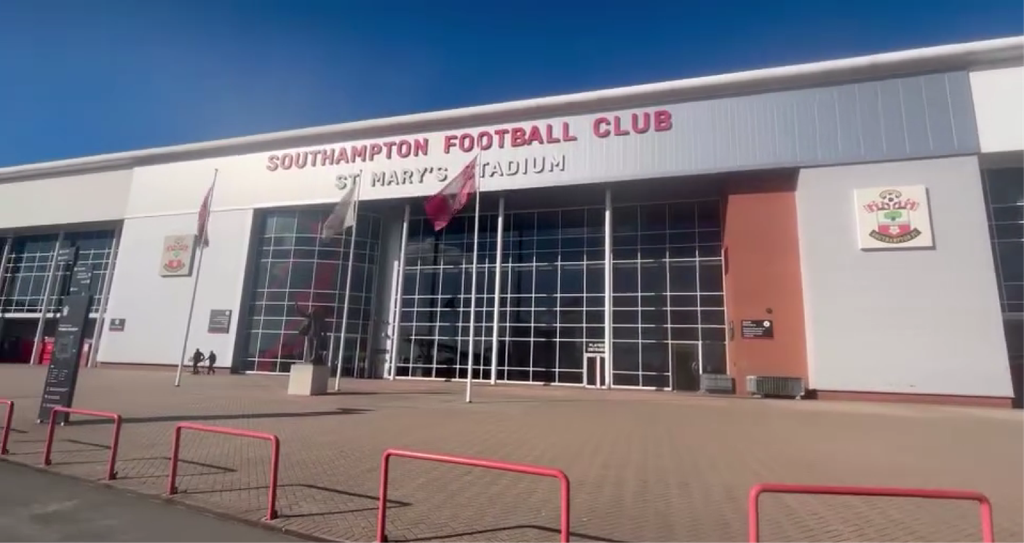
Meanwhile, those who grew up with St Mary’s associate such events like the 4-0 win against Coventry to secure promotion to the Premier League in 2012, the 2014-17 period that saw seventh, sixth and eighth place finishes, including two years in Europe, and a cup final, with their adolescence.
In the last few seasons, the 2023-24 play-off semi-final against West Brom and the 2-1 upset victory over Arsenal in last year’s FA Cup quarter-final have added to St Mary’s history.