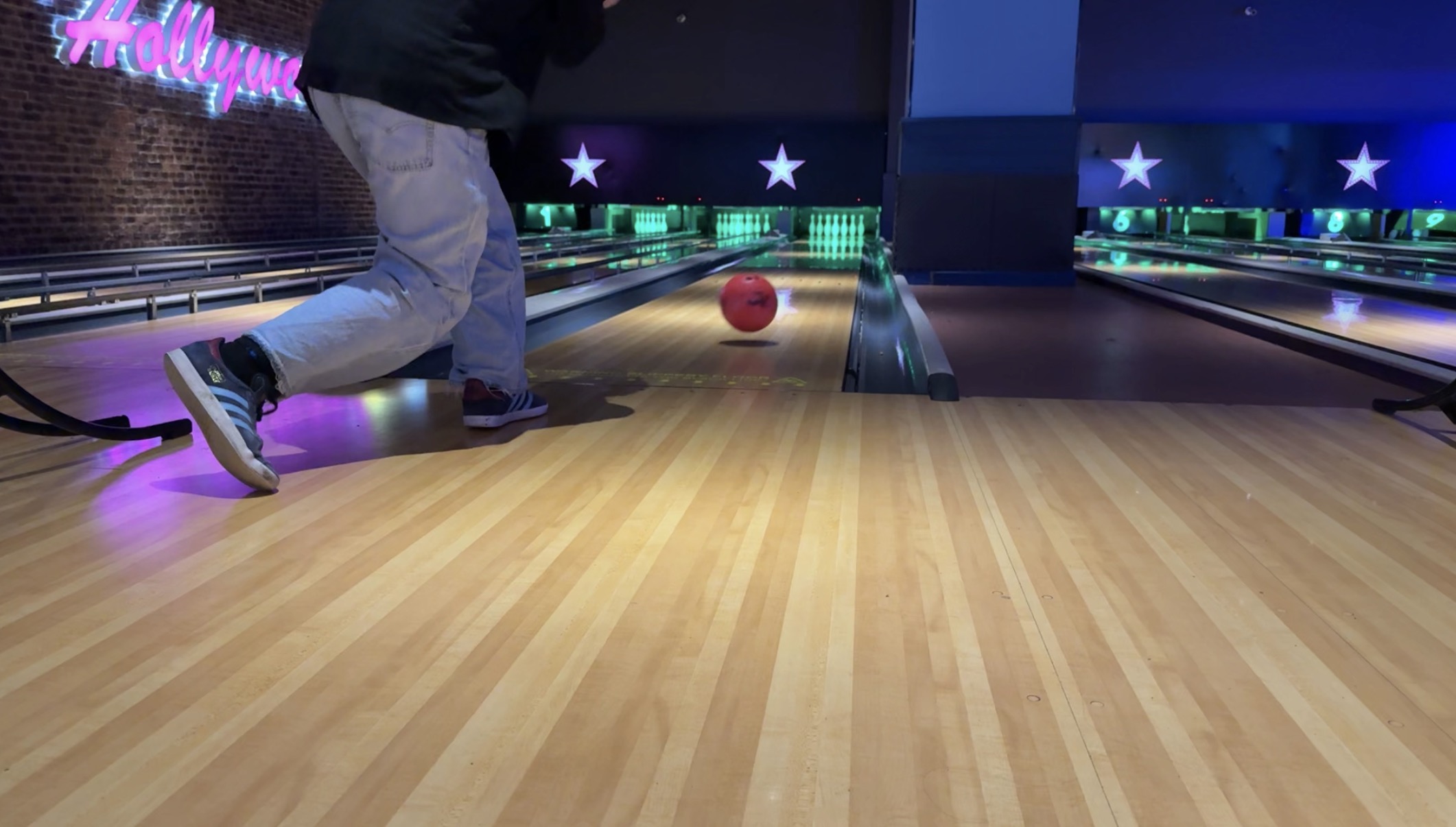
GOING to the bowling alley for some tenpin bowling seems to many as a modern pastime.
But the sport has a much longer, more elaborate history than many would believe, with its earliest form tracing back to medieval Europe.
The sport originated with just nine pins around 400AD in what is modern day Germany and the Netherlands.
It was known as Kegelspeil was introduced by monks and was a way of cleansing themselves of sin.
Around 1200AD the sport evolved and was played on a plank 12-18 inches wide with the pins organised in a three-by-three formation.
The game spread and even became so popular in England that it was banned in 1366 by King Edward the third due to it distracting his armies.
For a while after that the game did fluctuate with differing size of balls, number of pins and more but nine pins became the norm when figure head of the protestant reformation Martin Luther made it the standard for German states.
The sport up that point had been on an open floor with a pin boy picking up the knocked ones but the first indoor bowling lane opened in London in 1455.
The first appearance of Bowling in the Americas is in a 1650 painting depicting the Dutch bowling in what is now New York.
The first appearance of tenpin in the USA was in 1820; it was later banned in the state of Connecticut which spread until it was banned everywhere in the country.
By 1850 historians agree that US gamblers ran the sport, despite this however many also argue the game was at its peak in this time, with Alleys on every block of New York city.
The 1860’s saw tournaments start, helped by the new holes being cut in the 9” balls and the huge wave of German migration at the time.
The first rules for tenpin were drawn up in 1875 but these were later rewritten with the creation of the national bowling association.
The new rules written attempted to standardise the game around the nation but had limited scope and appeal, though their rules did look familiar to how we see the sport today.
The National Bowling Association dissolved and made way for the American bowling congress which still has 3,000 local associations across the nation to this day.
During the war, US military bases spread Bowling back across Europe and the wave of Americanisation in the following decades allowed the sport to spread.
The history of bowling could even be traced further, with an ancient Egyptian hieroglyph showing what looked like bowling and some pin like shapes found in a nearby tomb.
The history of the sport is long and complex showing the ‘casual activity’ is really more than it seems.
Find out more on Solent Sports News’ 3:30pm bulletin.