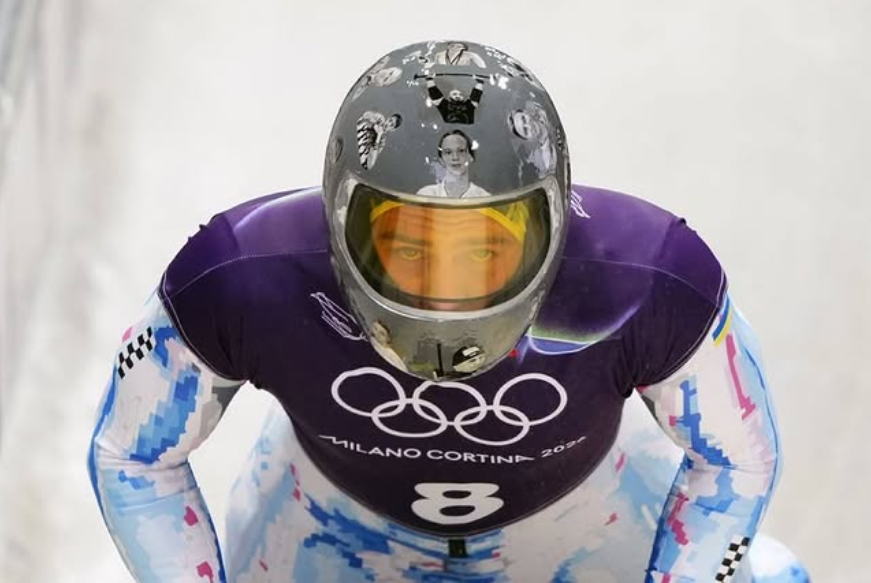
President Volodymyr Zelenskyy called the IOC’s decision to ban Ukrainian athlete Vladyslav Heraskevych from competing in skeleton ‘morally appalling’
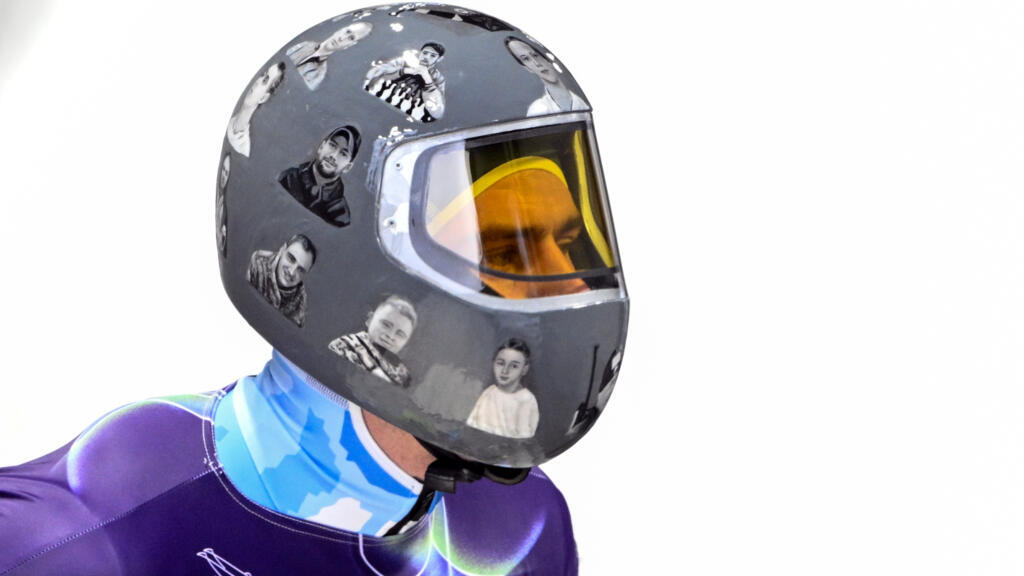
Heraskevych planned to compete in skeleton for the 2026 winter olympics whilst wearing a commemorative helmet demostrating Ukrainian athletes who were killed during the war with Russia, but was found to be in violatian of IOC’s rules and was banned from competing.
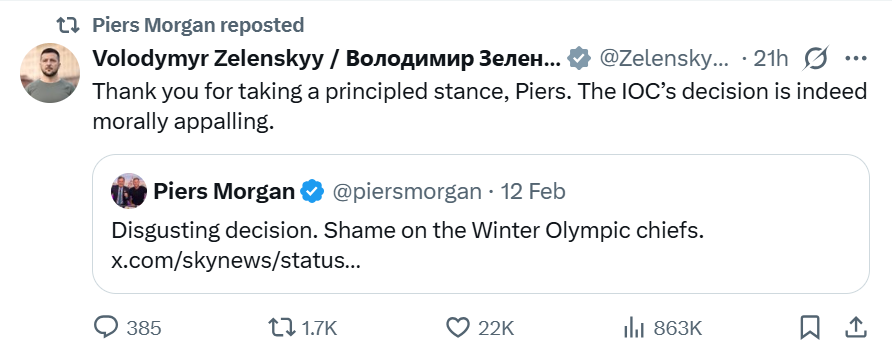
Zelenskyy made the decision as ‘morally appalling’ on X, in a reply to Piers Morgan’s tweet, whilst also stating in his own post that the IOC ‘should help stop wars, not play into the hands of aggressors’
Why was the helmet banned by the IOC?
The IOC claimed that Heraskevych was in breach of rule 50, which states “no kind of demonstration or political, religious or racial propaganda is permitted in any Olympic sites” but have now cited rule 40.2 of the Olympic charter as just grounds for the disqualification.
The rule cited states, “all competitors, team officials or other team personnel in the Olympic Games shall enjoy freedom of expression in keeping with the Olympic values and the fundamental principles of Olympism, and in accordance with the guidelines determined by the IOC Executive Board”.
The olympic athlete expression guidelines states that an athlete can state their views before and after an event but not during the competition itself, medal ceremonies and the Olympic village.
History of banned athletes and the reason
Paavo Nurmi (Finland, 1932) – The nine-time gold medalist was banned from the 1932 Olympic games in Los Angeles for being a “professional” athlete, as he had recieved too much money to cover travel.
Ben Johnson (Canada, 1988) – Johnson won gold medal at the 1988 Olympic games held in South Korea but was disqualified after a test came back positive for doping. He was the first athlete to break the 9.9 – 9.8 second barrier in the 100m sprint.
Tonya Harding (USA, 1994) – Harding was disqualified from the 1994 Winter Olympic Games held in Norway and banned for life after she was involved in some controversey after her ex-husband put out an attack on Tonya’s fellow U.S skating rival Nancy Kerrigan.
Ross Rebagliati (Canada, 1998) – Rebagliati was disqualified at the 1998 Winter Olympics held in Japan when he competed in snowboarding. He was stripped of his gold medal after a positive marijuana test was found, the IOC reinstated his gold medal a few days later.
Olga Medvedtseva (Russia, 2006) – Medvedtseva was stripped of her silver medals at the 2006 Winter Olympic games held in Italy due to a positive drug test and had a 2-year ban imposed on her after the competition.