Whoa!
I installed a Solana wallet extension just last week and started poking around the UI. It felt simple at first and very intuitive to use. But somethin’ about the requested permissions made me pause, honestly. Initially I thought it was just another NFT wallet, though as I dug deeper I realized the UX and security trade-offs were more nuanced than I expected.
Really?
My instinct said slow down before connecting everything. I mean, you add a browser extension and suddenly it can see sites, requests, and sometimes even connect automatically. On one hand that convenience is great for trading and collecting NFTs without switching apps; on the other hand your key management is now part of the browser surface area. So yeah, I poked at settings more than I normally would, and found somethin’ interesting.
Whoa!
There are a few major players for Solana — some are full apps, some are lightweight extensions. The difference shows up in subtle UX patterns that matter when you’re buying an NFT at 3am. I’m biased, but the fast, minimal-fee nature of Solana makes the browser experience feel more like a native app than older chains do. However, ease-of-use can mask security tradeoffs that only show when something goes sideways.
Hmm…
Check this out—extensions live in your browser context, which means they interact with web pages differently than mobile wallets do. Initially I thought browser isolation was enough, but then I remembered a phishy site that tried to trigger a signature request without clear context. That part bugs me; seeing a signature popup without explicit reason used to make my stomach drop. So I started testing network permissions and popup flows across a few wallets to see who did it right.
Picking the right extension for NFTs and everyday Solana use
Whoa!
Okay, so check this out—if you want a balance of convenience and security, pay attention to permission granularity. My first impressions favored wallets that separate connection levels: read-only site access, transaction signing only when initiated, and explicit wallet switching. I found that some extensions promise “one-click connect” which is great when it works, but risky in ambiguous contexts. To try one that combines a tidy UI with strong defaults, I ended up testing the phantom wallet download flow and integration process to see how it behaves on marketplaces and DeFi dapps.
Seriously?
Yes — the onboarding flow matters a surprising amount. A clear seed phrase backup screen, with slow deliberate prompts, reduces nurse-like mistakes at setup. I tested restoring wallets too, and found variance in how apps handle derived accounts and token lists. On one restore I lost track of an old token until I manually added the mint address, which felt… annoying and avoidable.
Whoa!
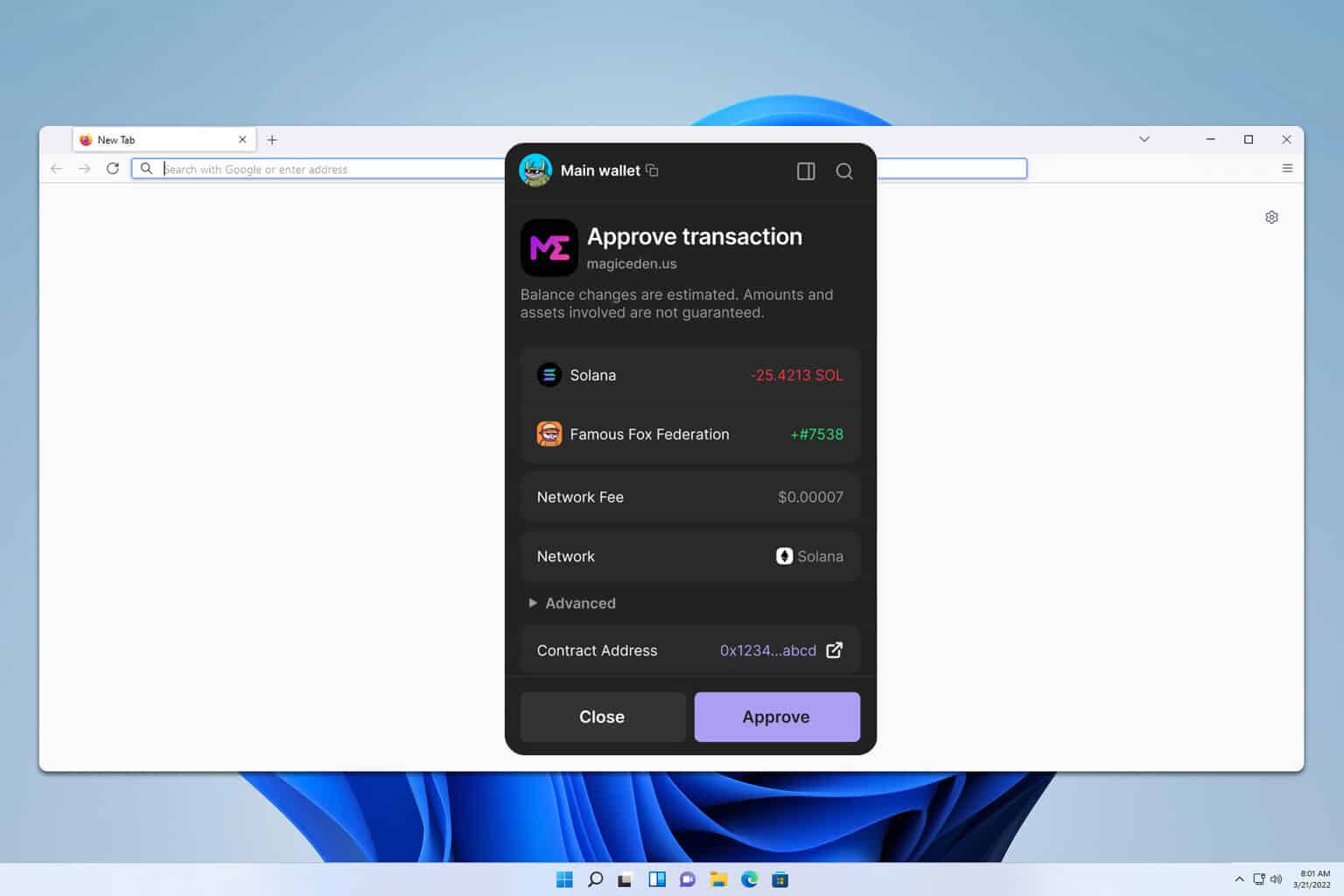
Performance on Solana is different — transactions are quick and confirmations come fast, which means popups appear and vanish quickly during drops. My gut reaction was to trust things because confirmations were instant, though actually you still must verify the payload. On the analytical side, I compared signed payload previews and whether the extension shows readable details or cryptic raw data, and that difference matters when signing approvals for smart contracts or marketplaces.
Hmm…
So what about NFTs specifically — NFT wallet features vary a lot. Some extensions show art and metadata in a gallery, which is great for collectors who want to browse without leaving the wallet. Others only show token balances and force you into marketplaces for details, which is clunky. I’m not 100% sure why there isn’t a standard yet, but I think the ecosystem will converge as marketplaces demand richer metadata displays for safer UX.
Here’s the thing.
One practical workflow I recommend: keep a small hot wallet extension for daily buys and a separate cold storage or mobile wallet for long-term holds. This is not perfect but it reduces blast radius. Initially I hoped a single extension could be both my daily driver and my vault, but actually no—segmentation is safer. Also, use hardware wallet support when possible; it feels like wearing a seatbelt even when driving a very safe car.
FAQ — Quick answers
Can I use one browser extension for all Solana NFT markets?
Short answer: usually yes for browsing and signing, but capabilities differ by extension and marketplace. Some marketplaces request advanced approvals that a wallet must render clearly to be safe, and not all extensions show that detail. I’m biased toward wallets that show explicit contract calls and readable summaries before you sign.